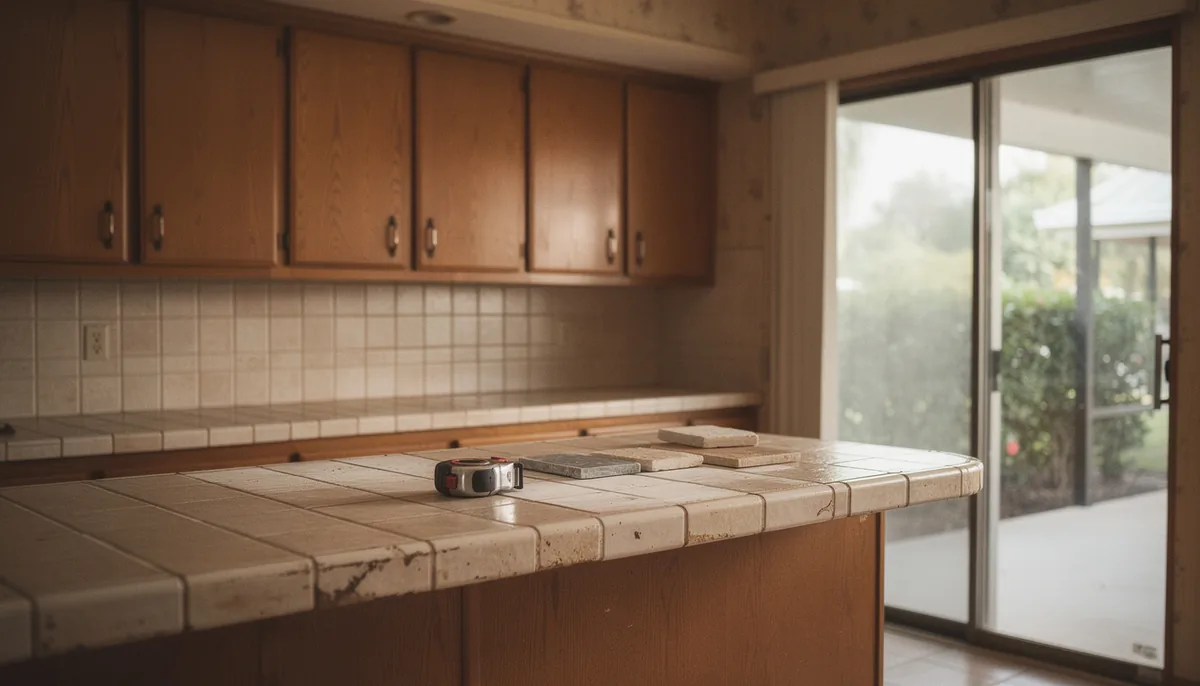
The questions to ask a kitchen remodeling contractor in Naples go well beyond price. They cover how the firm will run your project once the contract is signed: what its allowances really buy, who handles the permit, how payments track progress and what happens when a delivery slips. The answers tend to show how a firm communicates, and that is what you will be living with for several weeks. Bring the questions below to each first meeting and listen for specific answers. Firms that look alike on paper often sound quite different once you ask how they handle the details.
What Will the Allowances Actually Buy?
Naples has plenty of kitchen remodeling contractors, and their quotes rarely line up neatly. The most useful questions sit inside the allowances. Ask what cabinet line, door style and finish the cabinet allowance assumes, and which slab the stone allowance covers. If you can, ask to see a sample or a slab at that price. An allowance set low can make a quote look cheaper until selections begin, when the difference returns as a change.
Ask, too, what happens when your choice costs more than the allowance. A clear answer sounds like this: the chosen item's name and price replace the allowance, and the difference appears on the scope before anything is ordered.
Then ask how the schedule is written and kept. A useful schedule names the demolition week, the cabinet week, the stone template and install weeks and the finish week, and it is reissued when a delivery moves. Ask who tells you when a date changes, and how. For owners spending the summer up north, the answer should include regular photo updates and one point of contact, so decisions that need you are flagged ahead of the week they affect.
Who Pulls the Permit, and Who Closes It?
Ask who files the permit and with which office. Addresses inside the city limits file with the City of Naples building department, and the rest of the county files with Collier County Growth Management. Then ask when the final inspection is scheduled. The Collier Clerk points out that an open permit can prevent a clear title when the home sells, so the walkthrough should come after the permit shows closed.
It is also a reasonable moment to ask each firm for its Florida license number and check it on the state's DBPR portal at myfloridalicense.com. Florida's exemption for casual, minor work under $2,500 does not apply when a permit is required or the job is part of a larger project, as section 489.103 spells out, so a kitchen that moves plumbing or wiring falls under state licensing rules.
How Much Is Due Up Front, and What Is It Paying For?
Large deposits are a common worry, and the question that helps most is what each payment buys. A reasonable schedule ties payments to visible milestones: the cabinet order, the cabinet delivery, the stone install and the final walkthrough. A large share due at signing, with nothing ordered against it, deserves a follow-up question. So does what happens to the deposit if the start date moves because a permit or an association approval runs slow.
Florida law sets rules here as well. Under section 489.126, a contractor who takes more than a set share of a residential contract up front must apply for the needed permits and start work within deadlines the statute lays out. Asking how a firm handles that tells you whether its payment schedule was built around your project or its cash flow.
What Should You Tell the Contractor at the First Meeting?
Share your real budget range. Holding it back feels protective, but a firm that knows the range can tell you at the first visit whether it fits a refresh, a mid remodel or a full gut, and can put the money where the kitchen is felt. Share your must-haves, your timing and whether you will be in town while the work runs. Mention anything you already know about the house: a past leak under the sink, a soffit you suspect hides ductwork, a breaker that trips when two appliances run. Those details shape the scope and the contingency, and they cost less to plan for than to discover in the first week of demolition.
What to avoid is agreeing to changes out loud, so write each one down: every change, from a different slab to a moved outlet, belongs on the scope with its cost and its effect on the schedule.
Condo owners have one more question: who prepares the association packet and books the elevator? High-rise owners can find what boards usually ask for, and how a building's rules shape the schedule, on our condo kitchen remodels page.
Frequently Asked Questions
Should I pay a contractor 50% upfront for a kitchen remodel?
A large deposit deserves a clear reason. Ask what the payment buys, such as a cabinet order, and tie later payments to milestones like cabinet delivery, stone install and the final walkthrough. Florida law also sets permit and start deadlines for contractors who take more than a set share of a residential contract up front.
What should I not tell my contractor?
There is little worth hiding, and a candid budget range helps more than it hurts. What to avoid is agreeing to changes verbally. Keep every change, its cost and its effect on the schedule in writing on the scope, so the final invoice matches what you approved along the way.
What should I ask about who will be on site each day?
Ask who runs the job day to day, who you call with a question, and which trades are the firm's own crew and which are subcontracted. Also ask how the site is secured at night and how dust is kept out of the house. Clear answers tend to show how smoothly the weeks of work will go.
Who is responsible for closing the permit on a kitchen remodel?
The contractor who pulled it, in most cases, and it is worth confirming in writing. The job is finished only when the final inspection passes and the permit shows closed. An open permit can hold up a clear title when you sell, so ask for the closed status before the final payment.
Ready to Get Started in Naples?
Naples Kitchen Remodelers serves Naples and the surrounding area. Get a free, no-obligation quote today.